India Politics and Society: Why Some See India as Unfavorable
Ever wondered why a country with a booming tech scene and a rich culture can still get a bad rap? The answer lies in a mix of politics, economics, and everyday life. Below we break down the main reasons people call India "unfavorable" and what’s actually happening on the ground.
What fuels the negative view?
First up, the economy. Growth numbers look good on paper, but many Indians still struggle to find stable jobs. Rural areas face seasonal work, while cities grapple with high living costs. When you compare rising salaries to soaring real‑estate prices, the gap feels huge.
Next, inequality. The richest 1 % own more than half the nation’s wealth. That kind of concentration makes it hard for the average person to climb the ladder. It shows up in everyday scenes – a fancy mall next to a slum, or a tech startup sharing a street with informal vendors.
Politics adds another layer. Frequent elections, coalition governments, and regional power plays can slow down decision‑making. Corruption scandals keep popping up, which erodes trust in public institutions. When people feel the system doesn’t work for them, the perception of the country turns sour.
Health and infrastructure also matter. Public hospitals are often overcrowded, and many villages lack clean water or reliable electricity. Without basic services, people’s quality of life drops, reinforcing the idea that India is lagging behind.
What’s changing and how can perception shift?
Despite the challenges, there are bright spots. Digital payments and internet access have surged, giving millions a new way to earn and learn. Young entrepreneurs are launching startups that solve local problems – from renewable energy kits for off‑grid villages to affordable tele‑medicine platforms.
Policy makers are also trying to close the gap. Initiatives like the National Education Policy aim to improve school quality, while schemes such as “Make in India” encourage domestic manufacturing and job creation. When these plans succeed, they can reshape the narrative.
Social movements are gaining momentum, too. Grassroots groups are demanding better sanitation, gender equality, and environmental protection. Their activism is forcing governments and corporations to act faster, which can improve daily life for many.
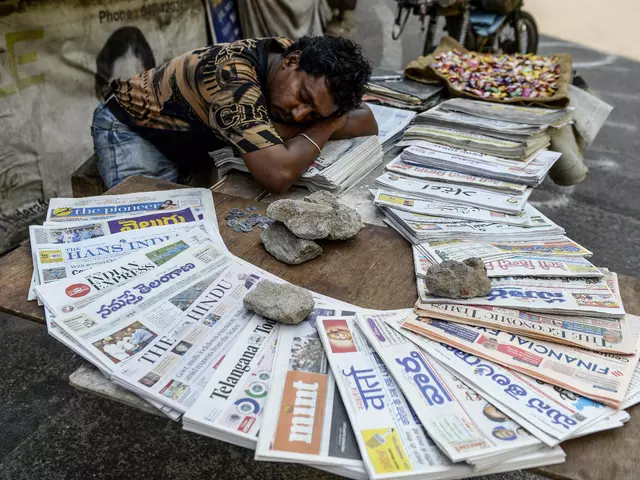
Finally, media coverage is becoming more balanced. While headlines still highlight problems, there’s growing focus on success stories and innovative solutions. This shift helps the global audience see a more nuanced picture of India.
Bottom line: the label "unfavorable" doesn’t capture the whole story. Yes, there are real issues in politics, economics, and social services, but there’s also a wave of change driven by technology, policy, and citizen action. Understanding both sides gives a clearer view of what India really is today.