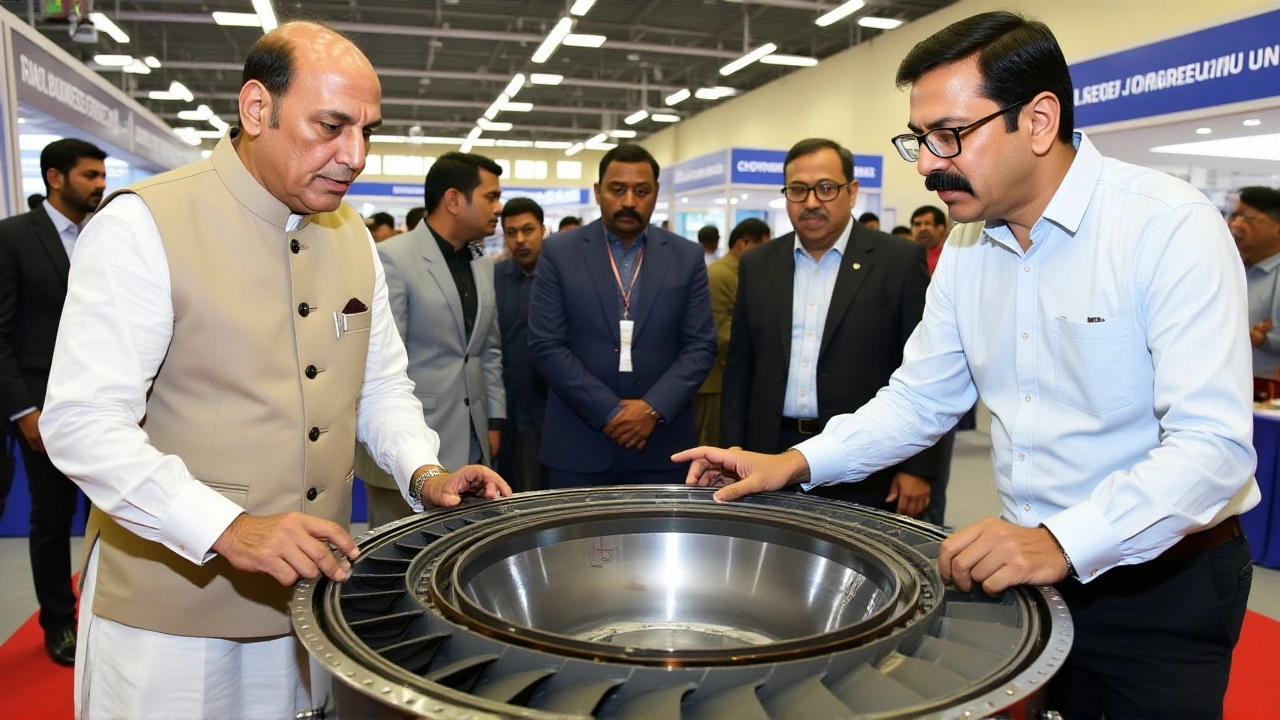
When Rajnath Singh, Defence Minister of Government of India, visited Bengaluru last month, he didn’t just bring greetings. He brought a deadline that has defence scientists holding their breath. The directive was stark: develop fifth and sixth-generation aero-engines in five years. That’s not a typo. While the global standard for such complex projects hovers around two decades, New Delhi is demanding results at four times the usual speed.
The visit took place in February 2026 at the Gas Turbine Research Establishment (GTRE), a key arm of the Defence Research and Development Organisation (DRDO). It wasn't a ceremonial photo-op. Singh addressed engineers and scientists directly, laying out an aggressive roadmap for indigenous military powerplants. Here's the thing: India has struggled with engine technology for decades. This mandate signals a shift from "trying" to "must succeed."
A Five-Year Sprint Against Global Odds
"We must achieve in five years what other countries take 20 years to do," Singh told the assembled experts. The quote, widely reported by outlets like Navbharat Times, captures the urgency. Traditionally, developing a new class of jet engine involves 15 to 25 years of testing, failure, and refinement. Compressing this timeline requires radical changes in research methodology, funding allocation, and supply chain agility.
But wait, why the rush? The context lies in India’s broader strategic posture. Following recent military operations—referenced by Singh as boosting troop morale and national pride—the demand for self-reliance has moved from policy paper to battlefield necessity. Dependence on foreign engines creates vulnerabilities. If you can't build your own heart for your fighter jets, you're always playing catch-up.
Global Partnerships: UK, France, and the EU
While pushing for domestic speed, Singh clarified that India isn't working in isolation. The strategy is a hybrid model: accelerate local capability while leveraging international expertise. During his address, he highlighted three major diplomatic pillars:
- United Kingdom: A joint study on aero-engine technology is underway. This knowledge exchange aims to bridge specific technical gaps without full dependency.
- France: Collaboration has officially begun under the National Aero Engine Mission. This formal framework suggests deeper integration in design and manufacturing processes.
- European Union: Singh noted the conclusion of a free trade agreement that had been stalled for 18 years. This economic tie-in likely facilitates smoother technology transfer and component sourcing.
These partnerships aren't just about buying tech; they're about learning how to build it faster. The twist is that India wants to absorb these insights quickly enough to pivot toward sixth-generation systems almost immediately after mastering fifth-gen standards.
The AMCA Connection and Future Fighters
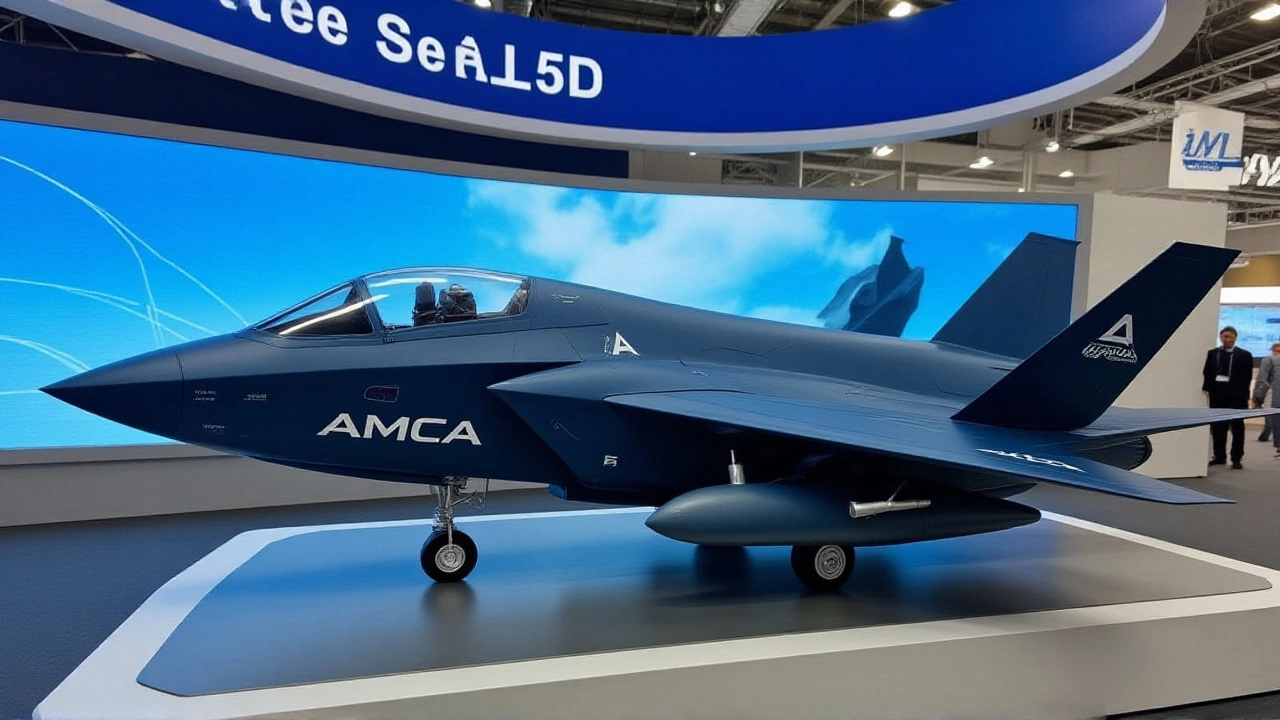
The immediate beneficiary of this push is the Advanced Medium Combat Aircraft (AMCA) program. Singh emphasized that the country is moving rapidly toward the design and development phase of this stealth fighter. An airframe is useless without a powerful, reliable engine. By targeting fifth-generation propulsion now, India ensures the AMCA won't face the same delays that have plagued previous projects like the Tejas Mk2 or Kaveri engine initiatives.
Interestingly, reports also mention a potential deal for 114 Rafale fighters, including 24 "Super Rafale" variants, valued at approximately ₹5.25 lakh crore. While this purchase addresses immediate needs, it runs parallel to the long-term goal of indigenous production. Think of it as renting a luxury car while building your own factory—you need both to stay competitive in the short and long term.
Why This Matters Now
Historically, India's attempts at aero-engine independence have faced hurdles. Projects often stalled due to technical complexities or bureaucratic inertia. Singh acknowledged past unfinished efforts, stating, "Now is the time to complete what we started." This admission is rare in political discourse. It shows an understanding that credibility comes from delivery, not just announcements.
The stakes are high. Regional rivals are advancing their aerospace capabilities rapidly. Without homegrown engines, India remains tethered to export policies and pricing decisions made in Washington, Paris, or Moscow. Achieving this five-year target would mark a turning point in Indian defence history, transforming the nation from a buyer to a builder of cutting-edge aviation technology.
Frequently Asked Questions
What exactly is the five-year challenge given to DRDO?
Rajnath Singh challenged DRDO scientists to develop fifth and sixth-generation aero-engines within five years. This is significantly faster than the global average of 15-25 years for such complex engineering projects. The goal is to reduce dependence on foreign suppliers and ensure timely availability of engines for next-generation fighter jets like the AMCA.
How are the UK and France involved in this initiative?
India is pursuing a dual strategy of indigenous development and international collaboration. With the UK, a joint study on aero-engine technology is ongoing to facilitate knowledge exchange. With France, cooperation has started under the National Aero Engine Mission, providing a formal structure for sharing expertise and potentially co-developing technologies.
What is the significance of the AMCA program in this context?
The Advanced Medium Combat Aircraft (AMCA) is India's upcoming stealth fighter jet project. Its success depends heavily on having a powerful, indigenous fifth-generation engine. The accelerated timeline for engine development is directly linked to ensuring the AMCA enters service without delays caused by propulsion shortages.
Is there a new purchase of Rafale jets associated with this announcement?
Reports suggest discussions regarding a potential deal for 114 Rafale fighters, including 24 advanced "Super Rafale" variants, valued at around ₹5.25 lakh crore. While this acquisition addresses immediate operational needs, it runs parallel to the long-term goal of building domestic engine capacity, rather than replacing it.
Why is reducing foreign dependence on aero-engines critical for India?
Reliance on foreign engines makes India vulnerable to export bans, price hikes, and maintenance delays during conflicts. Indigenous production ensures strategic autonomy, allowing the Indian Armed Forces to operate independently of geopolitical pressures. It also boosts the domestic defence industry and creates high-tech jobs.
- Poplular Tags
- Rajnath Singh
- DRDO
- Aero Engine
- AMCA
- Defence Modernization